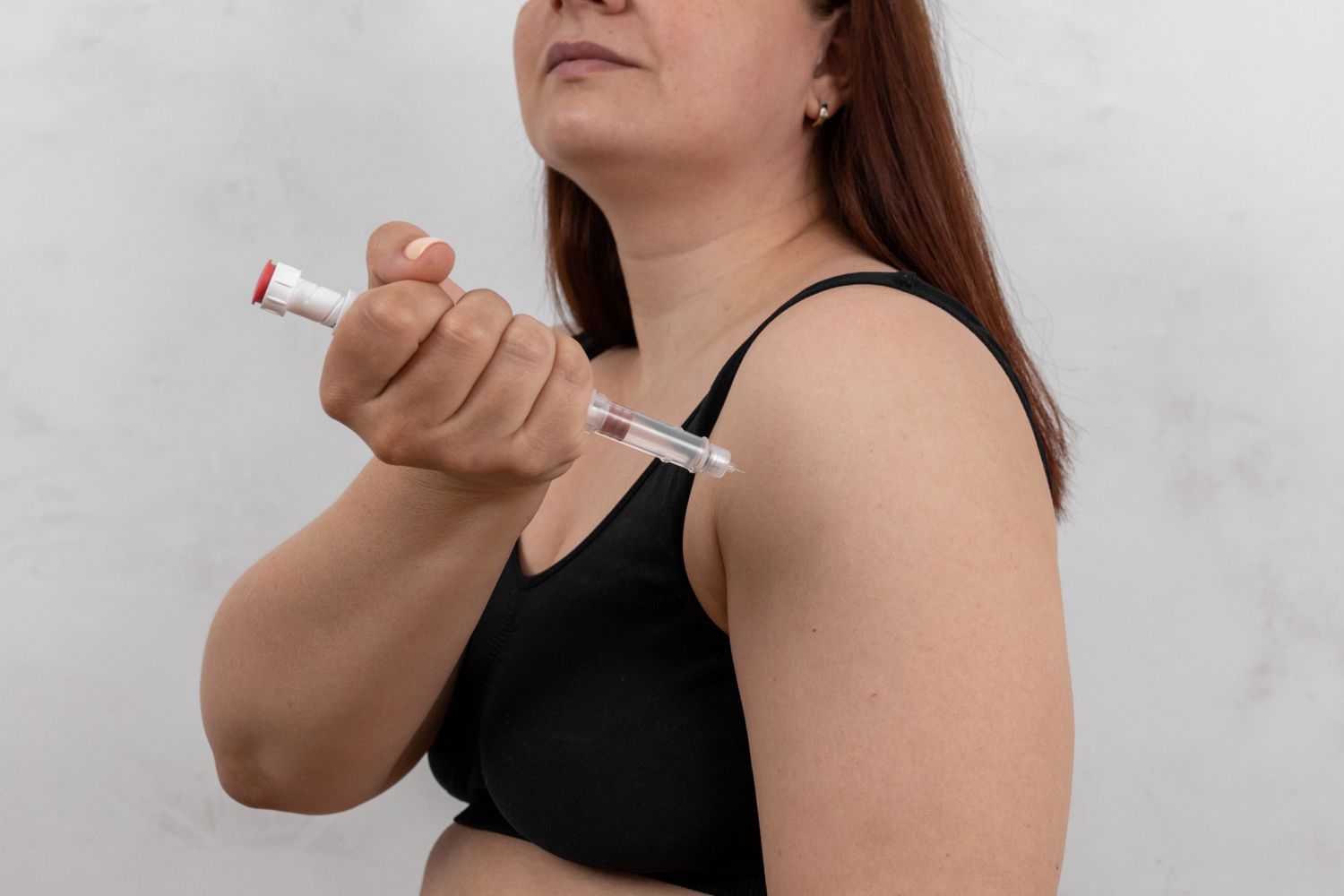
Wegovy for Adult Obesity: A Game-Changer in Weight Management
In the evolving landscape of weight management, medications like Wegovy have emerged as significant tools, offering new hope for adults struggling with obesity. As a powerful glucagon-like peptide-1 (GLP-1) receptor agonist, Wegovy (semaglutide) represents a pivotal advancement, moving beyond traditional weight loss approaches to provide a medically supported pathway to healthier living. Understanding its mechanism, efficacy, and how it fits into the broader market—especially in light of the Wegovy Ozempic competition—is crucial for anyone considering this treatment option.
Obesity is a complex, chronic disease affecting millions worldwide, carrying substantial health risks including type 2 diabetes, heart disease, stroke, and certain cancers. For many, diet and exercise alone, while essential, are not sufficient to achieve and maintain significant weight loss. This is where pharmacological interventions like Wegovy play a transformative role, providing biological support to help individuals achieve and sustain meaningful weight reduction.
What is Wegovy and How Does It Work?
Wegovy is the brand name for semaglutide when prescribed for chronic weight management. Its active ingredient, semaglutide, is a synthetic analog of human GLP-1, a hormone naturally released in the gut in response to food intake. This hormone plays several vital roles in the body, primarily related to glucose metabolism and appetite regulation.
When administered, semaglutide mimics the action of natural GLP-1, leading to several beneficial effects for weight loss:
- Appetite Suppression: It acts on receptors in the brain to reduce hunger and increase feelings of fullness or satiety, making it easier to consume fewer calories.
- Delayed Gastric Emptying: By slowing down the rate at which food leaves the stomach, Wegovy further contributes to prolonged feelings of fullness, helping to control food intake.
- Improved Metabolic Control: While primarily known for weight loss, GLP-1 agonists also have a positive impact on blood sugar regulation, making them beneficial for individuals with or at risk of type 2 diabetes.
Wegovy is administered as a once-weekly subcutaneous injection. Its approval by regulatory bodies like the FDA for chronic weight management in adults underscores its robust clinical evidence demonstrating significant and sustained weight loss when used in conjunction with a reduced-calorie diet and increased physical activity. Clinical trials have shown that patients on Wegovy can achieve substantial reductions in body weight, often exceeding 15% of their initial body weight.
Wegovy vs. Ozempic: Understanding the Competition
Perhaps one of the most common questions surrounding Wegovy relates to its sibling medication, Ozempic. Both Wegovy and Ozempic contain the same active ingredient, semaglutide, and are manufactured by Novo Nordisk. However, their primary indications, approved dosages, and market positioning are distinctly different, creating a unique dynamic rather than a direct head-to-head wegovy ozempic competition in the traditional sense.
Key Differentiators: Indication and Dosage
- Ozempic: Primarily approved for the treatment of type 2 diabetes mellitus to improve blood sugar control and reduce the risk of major cardiovascular events in adults with type 2 diabetes and established cardiovascular disease. The maximum approved dose for Ozempic is 2.0 mg once weekly. While weight loss is a well-known and beneficial side effect of Ozempic, it is not its primary approved indication.
- Wegovy: Specifically approved for chronic weight management in adults with a body mass index (BMI) of 30 kg/m² or greater (obesity) or 27 kg/m² or greater (overweight) with at least one weight-related comorbidity (e.g., high blood pressure, type 2 diabetes, or high cholesterol). The maximum approved dose for Wegovy is 2.4 mg once weekly. This higher dose is specifically tailored and clinically proven for weight loss.
This distinction is critical for several reasons. Firstly, it impacts prescribing practices and insurance coverage. Healthcare providers prescribe Ozempic for diabetes and Wegovy for obesity, even though both can lead to weight loss. Secondly, the higher dose of semaglutide in Wegovy (2.4 mg) is specifically designed and studied to maximize weight loss efficacy, differentiating it from Ozempic's lower doses aimed at glycemic control.
Implications for Patients and Healthcare Providers
The "competition" between Wegovy and Ozempic, therefore, isn't about one being "better" than the other, but rather about their distinct roles in medical treatment. For individuals seeking a medication specifically for weight management, Wegovy is the approved and higher-dosed option. For those with type 2 diabetes, Ozempic offers excellent glycemic control with the added benefit of weight reduction. This careful market segmentation by the manufacturer allows both products to serve different, yet sometimes overlapping, patient populations effectively.
The shared side effect profile, including gastrointestinal issues like nausea, vomiting, diarrhea, and constipation, is also common to both due to their identical active ingredient. Understanding these nuances helps patients and clinicians make informed decisions about which semaglutide product is most appropriate for their specific health needs and goals.
Navigating the Wegovy Dosing Schedule and Usage
Successful treatment with Wegovy hinges significantly on adhering to its prescribed dosing schedule. The regimen is designed for a gradual increase in dosage over several weeks, a strategy crucial for minimizing potential side effects and allowing the body to adjust to the medication.
Typically, patients begin with a low dose of 0.25 mg once weekly, escalating incrementally every four weeks until the target maintenance dose of 2.4 mg once weekly is reached. This process helps mitigate common gastrointestinal side effects such as nausea and vomiting, which tend to be more pronounced with rapid dose increases.
- Starting Dose: 0.25 mg once weekly for 4 weeks.
- Escalation: Gradually increasing the dose every 4 weeks (0.5 mg, 1.0 mg, 1.7 mg).
- Maintenance Dose: 2.4 mg once weekly.
It's important to remember that Wegovy Dosing Schedule: Key Information for Patients is not just a guideline but a critical component of the treatment plan. Skipping doses or accelerating the schedule can lead to increased side effects and may compromise the medication's effectiveness. Patients should always follow their healthcare provider's instructions carefully.
The Role of Wegovy Pills (Oral Semaglutide)
While the injectable form of Wegovy is currently the widely approved and recognized treatment for weight management, the concept of an oral Wegovy pill is an exciting area of development and patient interest. The reference to a Wegovy Pill Guide: Dosing Instructions and Success Tips suggests the possibility of such a product, and indeed, oral semaglutide (already available as Rybelsus for type 2 diabetes) holds significant promise.
An oral formulation could offer a convenient alternative for those who prefer not to use injections. However, the efficacy and optimal dosing for an oral semaglutide specifically for weight management (at a higher dose than Rybelsus) are still being researched and developed. If an oral Wegovy becomes widely available for obesity, it would represent another substantial leap, potentially increasing accessibility and patient adherence. For now, discussions around a "Wegovy pill" often relate to the future or to other forms of oral semaglutide.
Who Can Benefit from Wegovy? Eligibility and Considerations
Wegovy is not a universal solution for weight loss but a targeted treatment for specific populations. It is approved for adults with a BMI of 30 kg/m² or greater, or those with a BMI of 27 kg/m² or greater who also have at least one weight-related comorbidity. These comorbidities can include conditions like high blood pressure, high cholesterol, obstructive sleep apnea, or type 2 diabetes.
Important Considerations Before Starting Treatment:
- Medical Consultation: A thorough evaluation by a healthcare professional is essential. They will assess your medical history, current health status, and determine if Wegovy is appropriate for you.
- Contraindications: Wegovy is not suitable for everyone. It should not be used by individuals with a personal or family history of medullary thyroid carcinoma (MTC) or in patients with Multiple Endocrine Neoplasia syndrome type 2 (MEN 2), as semaglutide has been shown to cause thyroid C-cell tumors in rodents. Patients with a history of pancreatitis or severe gastrointestinal disease may also need careful consideration.
- Lifestyle Integration: Wegovy is most effective when used as part of a comprehensive weight management program that includes a reduced-calorie diet and increased physical activity. It is a tool to support efforts, not a standalone solution. Patients are encouraged to adopt sustainable healthy habits alongside their medication.
- Potential Side Effects: While generally well-tolerated, common side effects are typically gastrointestinal in nature, including nausea, diarrhea, vomiting, constipation, and abdominal pain. These often subside as the body adjusts to the medication, especially with gradual dose escalation.
Choosing Wegovy is a significant decision that should involve a detailed discussion with your doctor about potential benefits, risks, and how it integrates into your overall health plan. Its role is to help patients overcome the biological hurdles to weight loss, making their lifestyle changes more effective and sustainable.
Conclusion
Wegovy has undeniably transformed the landscape of medical weight management, offering a scientifically backed and highly effective option for adults living with obesity. By mimicking a natural gut hormone, it helps to regulate appetite and promote satiety, leading to significant and sustained weight loss when combined with diet and exercise. The distinction between Wegovy and Ozempic, while both containing semaglutide, highlights their targeted applications—Wegovy for obesity management at a higher dose, and Ozempic primarily for type 2 diabetes. This strategic differentiation allows both to play crucial roles in improving metabolic health. As research continues and potential oral formulations emerge, Wegovy's impact is likely to grow, providing more pathways for individuals to achieve a healthier weight and a better quality of life. For those eligible, Wegovy represents a powerful tool in the fight against obesity, reinforcing the idea that weight management is a journey best supported by a comprehensive, medically informed approach.